 blog
Where to Donate Old Motorcycles: A Rider's Guide
Table of Contents
- Where to Donate Old Motorcycles: Finding the Right Charity
- Can You Donate a Motorcycle That Does Not Run?
- Motorcycle Donation Paperwork and Tax Deduction Basics
- Donation Process and Next Steps
- Alternatives for Motorcycles That Cannot Be Donated
- How to Verify a Charity Before You Donate
- Donation vs. Selling, Trading In, or Scrapping
- Frequently Asked Questions
Last Updated: October 21, 2026
Where to Donate Old Motorcycles: Finding the Right Charity
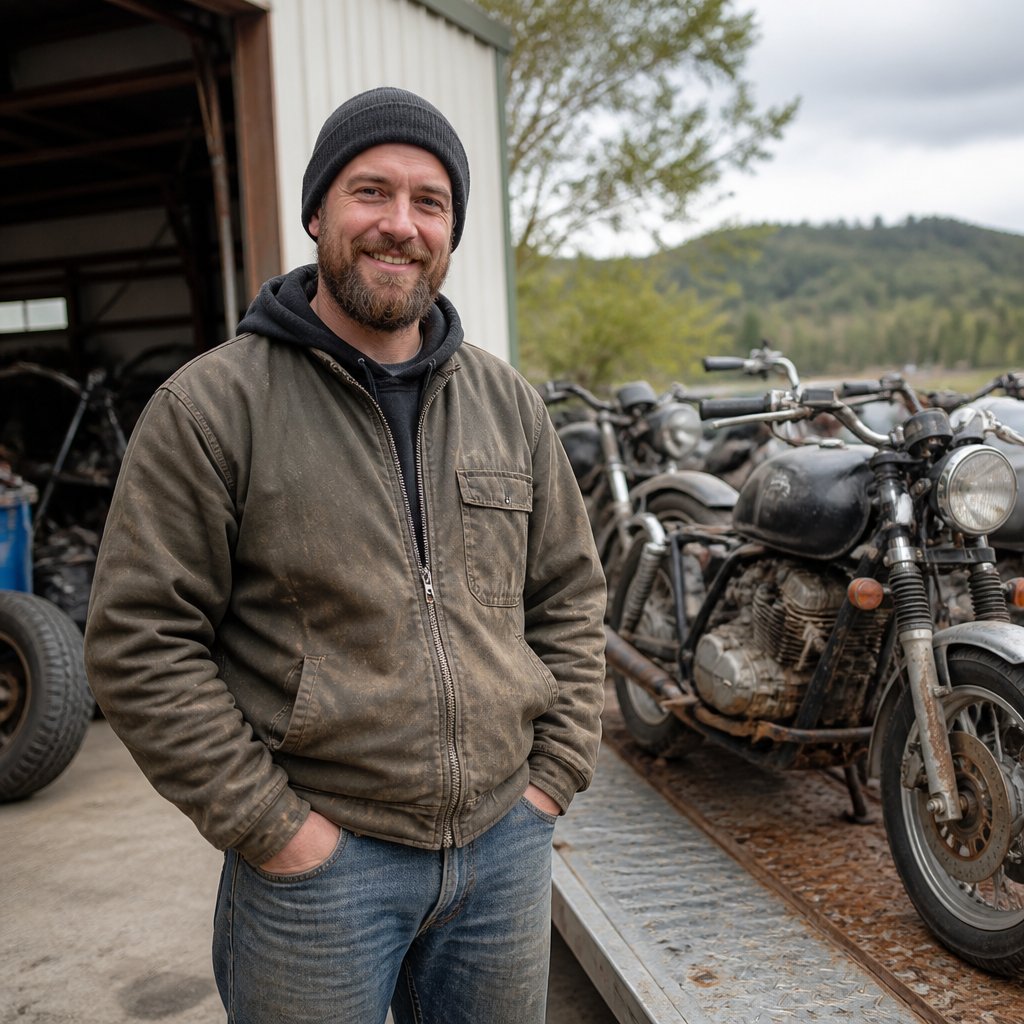
Moto Recovery helps riders figure out where to donate old motorcycles: start with a local 501(c)(3) that actually uses bikes, not a middleman that just resells them. A dusty garage queen can become a project bike, a parts donor, or a training tool, Riders Helping Riders in action.
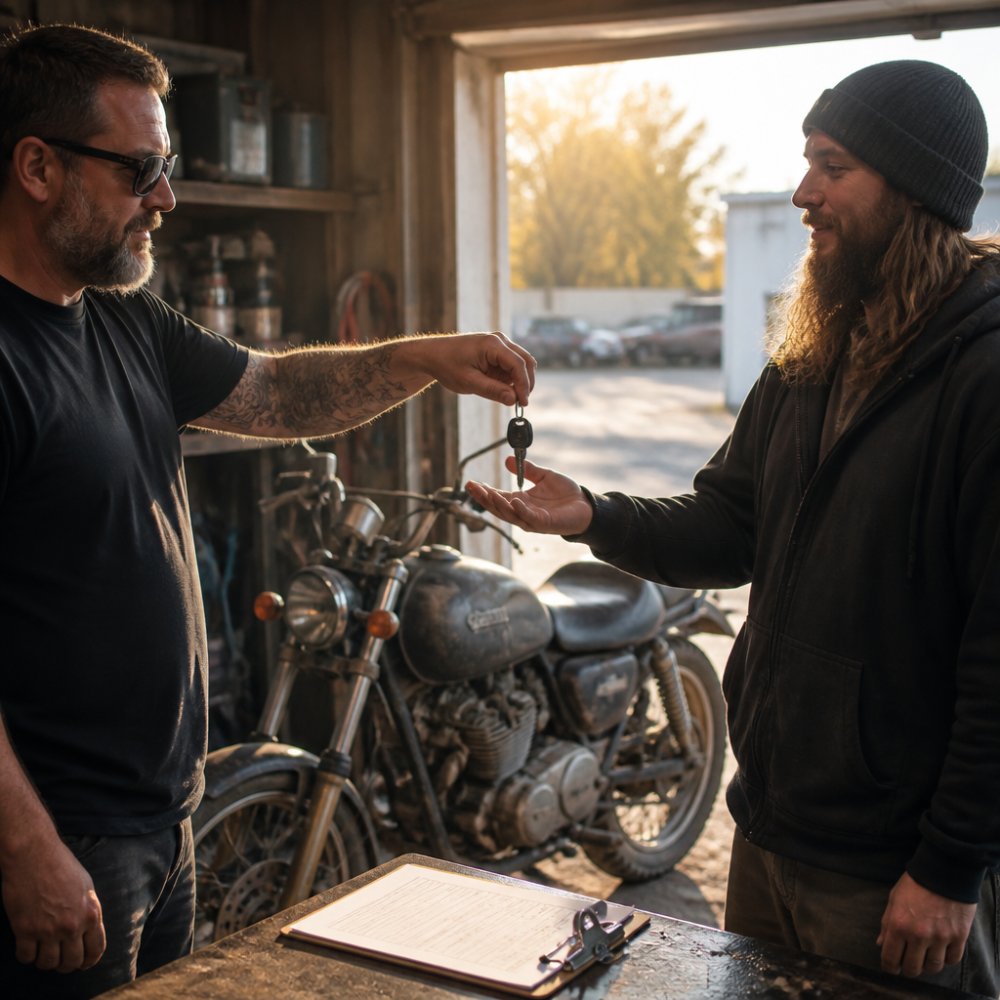
Nationwide processors are legitimate, but most auction the bike and pass along a cut. To keep a machine in the riding community, look for a shop-based nonprofit with a real program. Before handing over the title, ask about 501(c)(3) status and EIN, what happens to the bike after pickup, and whether you'll get a written receipt.
Can You Donate a Motorcycle That Does Not Run?
Yes, most donation programs accept a motorcycle that does not run, and many charities prefer project bikes because they are cheaper to acquire and easier to refresh. Be honest on the form about year, make, model, and whether it rolls, steers, and brakes, so the crew brings the right trailer. What gets turned away is usually a bike with no title or a frame with no traceable ownership.
Motorcycle Donation Paperwork and Tax Deduction Basics
The essentials are a clear title in your name, a signed title transfer, and a written receipt; some states require a separate notice of transfer, so check your state motor vehicle agency's rules before pickup. For most vehicles, the deduction is limited to what the charity actually receives from selling it, not the book value you had in mind. IRS guidance on donating a car explains the forms and the rules for claiming a charitable deduction. Keep every piece of donation documentation: the receipt, the title transfer copy, and any acknowledgment letter. IRS Publication 526 on charitable contributions covers how donations are recorded and claimed.
Donation Process and Next Steps
Pick a charity that accepts bikes, describe the motorcycle, submit the donation form with contact details and pickup address, schedule pickup, sign the title over at pickup and get a copy, then collect your receipt and ask what happens to the bike. Free towing is real for most established charities, and pickup timing varies by region, so ask directly rather than assuming a window.
Alternatives for Motorcycles That Cannot Be Donated
Not every bike belongs in a donation program: a frame with no title, a machine already stripped for parts, or a bike with a lien usually needs a different exit. Sell it as a project, part it out for popular models, scrap or recycle it to recover metal and keep fluids out of the ground, or trade it in on a new purchase. A scooter, ATV, or dirt bike may fit a different program, so ask before assuming the same form covers it.
How to Verify a Charity Before You Donate
Trust is earned with documents, not logos. A legitimate charity will happily share its EIN, its 501(c)(3) status, and a plain answer about where sale proceeds go, and IRS Tax Exempt Organization Search lets you confirm status yourself. Ask what percentage of the bike's value funds programs versus overhead; a shop-based nonprofit that restores bikes and runs rider programs will explain the pipeline clearly. Moto Recovery is a Colorado-based 501(c)(3) nonprofit, EIN 39-4470332, and welcomes motorcycle donations for its Project Bikes program. Bikes may be refreshed and sold to support the mission or considered for the Wind Therapy fleet. Stronger With Every Mile starts with knowing exactly what happens to your bike.
Donation vs. Selling, Trading In, or Scrapping
Donation is not always the best financial move: selling privately usually nets more cash, while donation wins on convenience, free pickup, and the charitable deduction, though the deduction is often smaller than a private sale. Trading in is simplest at a dealership but rarely pays well for an old bike, and scrapping pays least of all. Pick based on what you want: cash, convenience, or community impact.
Frequently Asked Questions
Can I donate a motorcycle that does not run?
Yes, many motorcycle donation charities accept non-running bikes, including those with mechanical issues or missing parts. Organizations like Moto Recovery welcome old motorcycles for their Project Bikes program, where bikes may be refreshed and sold to support the mission or considered for the Wind Therapy fleet. Even if your bike has been sitting for years, it can still provide value. Contact the charity directly to confirm their acceptance criteria and arrange free pickup.
What paperwork do I need to donate a motorcycle?
You will typically need the motorcycle title, signed over to the charity, and a completed donation form. Some charities also ask for a bill of sale or a release of liability. Moto Recovery provides guidance on motorcycle donation paperwork to ensure a smooth title transfer. Keep copies of all documents for your records, as you will need them if you claim a motorcycle donation tax deduction. Requirements can vary by state, so confirm with the charity.
How does the motorcycle donation tax deduction work?
If the charity is a 501(c)(3) nonprofit, your donation may be tax deductible. For vehicles sold by the charity, the deduction is generally limited to the gross proceeds from the sale. For bikes kept for the charity's use, you may deduct fair market value. You must itemize deductions on your federal tax return and obtain a written acknowledgment from the charity. Consult a tax professional for your specific situation.
Old bikes sit in garages because the exit feels complicated. It is not. Moto Recovery makes it simple with free pickup coordination, a clear Project Bikes path, and rider programs that put donated machines back to work. Stronger With Every Mile starts with the bike you are not riding. Explore Moto Recovery and turn that dusty project into someone else's first ride.