 ultimate-guide
Beginner Motorcycle Rider Training Scholarships You Can Apply For
Last Updated: October 29, 2026
Quick Summary
Moto Recovery offers rider training scholarships that pay the published tuition for a Basic Rider Course taken in Colorado by a Colorado driver's license or permit holder. The online form opens on the BRC scholarship page the first day of winter and closes the last day of winter, with two recipients selected this year for 2027.
https://motorecovery.org/brc-scholarships
- Moto Recovery pays only the published tuition fee; any additional fees are the recipient's responsibility.
- The application window runs from the first day of winter to the last day of winter.
- Moto Recovery highly recommends Shift Happens Motorcycle Training in Denver.
- Other funding options include payment plans, employer benefits, dealership programs, clubs, and state vouchers.
- Confirm course descriptions and licensing steps with providers, since course names are not standardized.
Table of Contents
- Why Rider Training Scholarships Matter for New Riders
- The Moto Recovery Motorcycle Training Scholarship
- Motorcycle Safety Course Financial Assistance Beyond Scholarships
- What a Beginner Motorcycle Course Covers
- The Experienced Rider Course and All Motorcycles Course
- Where to Take Your Training on the Front Range
- Building a Practical Application Checklist
- Apply for the Moto Recovery Scholarship This Winter
- Frequently Asked Questions
Why Rider Training Scholarships Matter for New Riders
Moto Recovery offers a Basic Rider Course scholarship. The scholarship pays the published tuition for a course taken in Colorado by a Colorado driver's license or permit holder.
Below, we break down how the Moto Recovery scholarship works and where else to look for motorcycle safety course financial assistance.
The Moto Recovery Motorcycle Training Scholarship
Moto Recovery pays the tuition for a Basic Rider Course taken within Colorado, for a Colorado driver's license holder or permit holder. The scholarship pays the published tuition fee for the course.
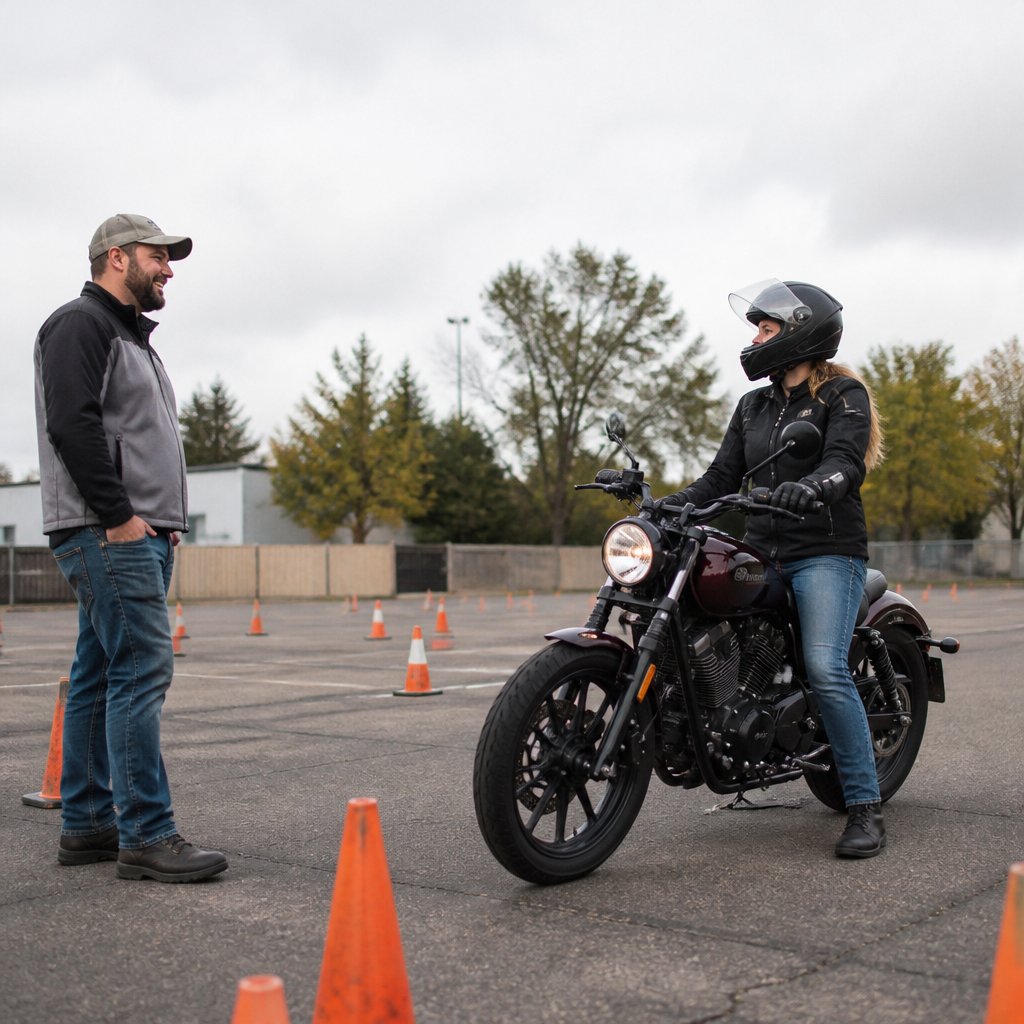
One detail matters more than any other. Moto Recovery only pays the published tuition fee. Any additional fees are the responsibility of the recipient. Ask your training provider what sits outside tuition before you apply, so there are no surprises after selection.
Who Qualifies for the BRC Scholarship
Two requirements carry the weight: you hold a Colorado driver's license or permit, and you take the course within Colorado.
How to Apply and What the Timeline Looks Like
The application window is fixed and it does not move. Moto Recovery publishes the online form on the BRC scholarship page on the first day of winter. The application closes on the last day of winter. Two recipients are selected this year for 2027.
Set a reminder for the first day of winter and again for a week before the close. The BRC scholarship application lives on that page.
Motorcycle Safety Course Financial Assistance Beyond Scholarships
A scholarship isn't the only possible source of funding. Here are some other options to explore.
Training Provider Payment Plans
Many schools split tuition into installments rather than requiring the full amount at registration. The mechanism is usually simple: you pay a deposit to hold your seat, then the balance is due before the range session or on a fixed schedule. Ask two questions before you commit, how much is the deposit, and what happens to it if you reschedule. Deposit and reschedule policies vary widely between providers, and a non-refundable deposit on a class you can't attend is money gone.
Employer Education Benefits
Some employers reimburse training that's adjacent to the job, courier and delivery work, security, campus or facilities roles, and any position that involves getting around on two wheels. The catch is that reimbursement usually requires pre-approval and a receipt, so ask your HR or benefits contact before you register, not after. If your employer has a tuition assistance policy, motorcycle training may fall under it even if it isn't named explicitly.
Dealership and Manufacturer Programs
Some dealerships run promotions that offset course costs for buyers, and some manufacturers offer rider-training incentives tied to a new-bike purchase. These change frequently and are rarely advertised in one place, so the reliable move is to call the dealership's sales desk and ask directly whether any training credit is currently attached to the models you're considering. Get the terms in writing before you count on it.
Community and Club Support
Local riding groups, clubs, and community organizations sometimes help members cover training. The amounts are usually modest, but they're real, and the application is often informal, a conversation with a club officer rather than a formal form. This is riders helping riders in its most direct form, and it's worth asking about even if you assume the answer is no. You can also donate to the scholarship fund so other new riders can afford training.
Vouchers, Grants, and State Programs
Some states run rider-training subsidy or voucher programs through their highway safety or transportation agencies, and eligibility rules differ from state to state. Because these programs open, close, and change funding levels, verify current terms directly with the administering agency rather than relying on a blog post or an old news article. If you're outside Colorado, start with your state's motor vehicle or highway safety agency and ask specifically about rider-training assistance.
What to Confirm Before You Rely on Any Source
Moto Recovery's Wind Therapy program welcomes riders on their own bikes for group rides.
What a Beginner Motorcycle Course Covers
There are several distinct course types. Here's an overview.
The Complete Beginner Course
The complete beginner course is for people starting from zero.
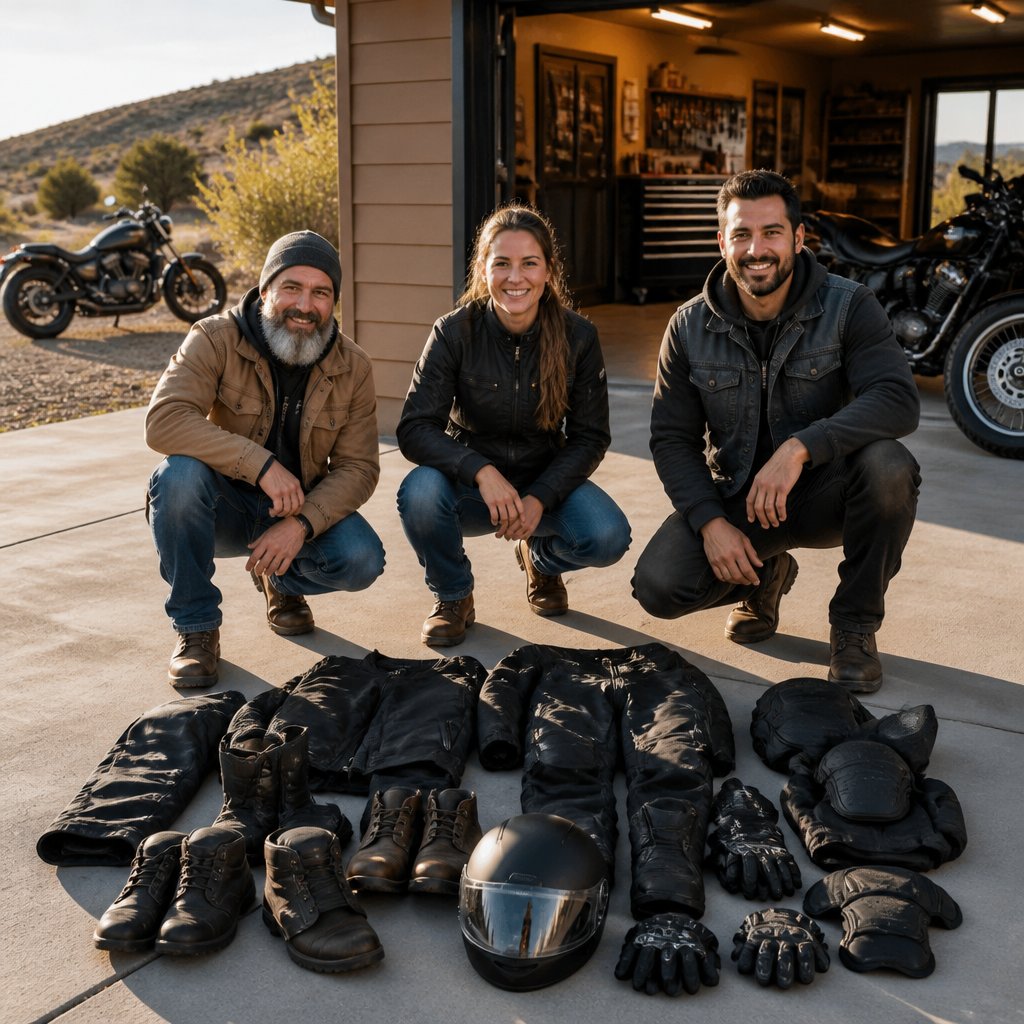
The beginner motorcycle gear guide covers what to buy first so you show up prepared.
The Experienced Rider Course
The experienced rider course is typically one day.
The All Motorcycles Course
The All Motorcycles course covers practical riding skills on two wheels.
Three-Wheel Endorsements
Three-wheel courses focus on the wider track, different cornering physics, and braking characteristics of a trike. If a trike is your plan, sign up for the three-wheel course rather than a two-wheel class, the skills don't transfer cleanly, and the licensing path is different.
How to Pick the Right Course
Your situation | Course to ask for |
|---|---|
Never ridden, want to start from zero | Complete beginner / Basic Rider Course |
Already endorsed, want sharper skills | Experienced rider course (typically one day) |
Two-wheel skills and licensing | All Motorcycles course |
Trike is your plan | Three-wheel endorsement course |
The Experienced Rider Course and All Motorcycles Course
Not every course is for beginners, and the naming trips people up.
The experienced rider course is typically a single day.
The All Motorcycles course is practical riding skills done on two wheels.
Where to Take Your Training on the Front Range
Moto Recovery highly recommends Shift Happens Motorcycle Training in Denver.
There are a number of other providers in the Denver area, Monument, Colorado Springs, and Pueblo. There are others in central Colorado and on the Western Slope, but Moto Recovery primarily operates on the Front Range.
Building a Practical Application Checklist
A complete application beats a rushed one. Work through this before the window opens.
- Confirm you hold a Colorado driver's license or permit
- Choose a Colorado training provider
- Set a reminder for the first day of winter
Timeline at a glance:
When | What Happens |
|---|---|
First day of winter | Application form goes live on the BRC scholarship page |
During the window | Submit early; confirm your provider and course date |
Last day of winter | Applications close |
After close | Two recipients selected for 2027 |
If anything is unclear before you submit, contact Moto Recovery with your questions.
Apply for the Moto Recovery Scholarship This Winter
Stronger with every mile starts with the first mile.
Moto Recovery covers the published tuition for a Basic Rider Course taken in Colorado by a Colorado license or permit holder, selected from applications submitted between the first and last day of winter, with two recipients chosen for 2027. Additional fees stay with the recipient, so read the fine print and ask questions early.
Get started with Moto Recovery.
Frequently Asked Questions
Are there scholarships for beginner motorcycle rider training?
Yes. Moto Recovery offers a Basic Rider Course scholarship that pays the published tuition for a course taken in Colorado by a Colorado driver's license or permit holder. The online form opens on the BRC scholarship page on the first day of winter and closes on the last day of winter, with two recipients selected for 2027.
Who is eligible for the Moto Recovery BRC scholarship?
You need a Colorado driver's license or permit and must take a Basic Rider Course within Colorado. The scholarship covers the published tuition fee only; any additional fees are the recipient's responsibility.
When does the Moto Recovery scholarship application open and close?
The online form is published on the BRC scholarship page on the first day of winter and closes on the last day of winter. Two recipients are selected for 2027.
What does a Basic Rider Course teach?
Moto Recovery's scholarship supports a Basic Rider Course for aspiring riders.
How long is an experienced rider course?
The experienced rider course is typically a single day. The All Motorcycles course covers practical riding skills done on two wheels.
What is the difference between a two-wheel and three-wheel motorcycle endorsement?
There are also three-wheel endorsements. Check with your training provider about the course options available.
What other resources can help pay for motorcycle training?
Moto Recovery's scholarship covers published tuition only; any additional fees are the recipient's responsibility.