 ultimate-guide
Motorcycle Riding for Mental Health: The Wind Therapy Guide
Table of Contents
- Why Motorcycle Riding for Mental Health Makes Sense
- Motorcycle Riding and Stress Relief: What the Research Says
- Focus, Present-Moment Attention, and Mental Clarity
- Freedom, Escape, and the Open Road
- What Wind Therapy Motorcycle Rides Actually Feel Like
- Inside Moto Recovery's Wind Therapy Rides
- Solo Riding vs. Group Riding: Two Different Kinds of Reset
- Motorcycle Group Riding Safety: Ride Smart, Stay Calm
- One-Day Rides: The Mental Health Day on Two Wheels
- Weekend Motorcycle Trips: Two Days That Reset a Week
- Long Weekend Rides: Three to Four Days of Reset
- Week-Long Rides and Beyond: The Deep Reset
- Budget-Friendly Rides vs. Bank Account Screaming
- Who Benefits, Who Might Not, and When to Seek Professional Help
- Conclusion
- Frequently Asked Questions
Last Updated: October 21, 2026
Why Motorcycle Riding for Mental Health Makes Sense
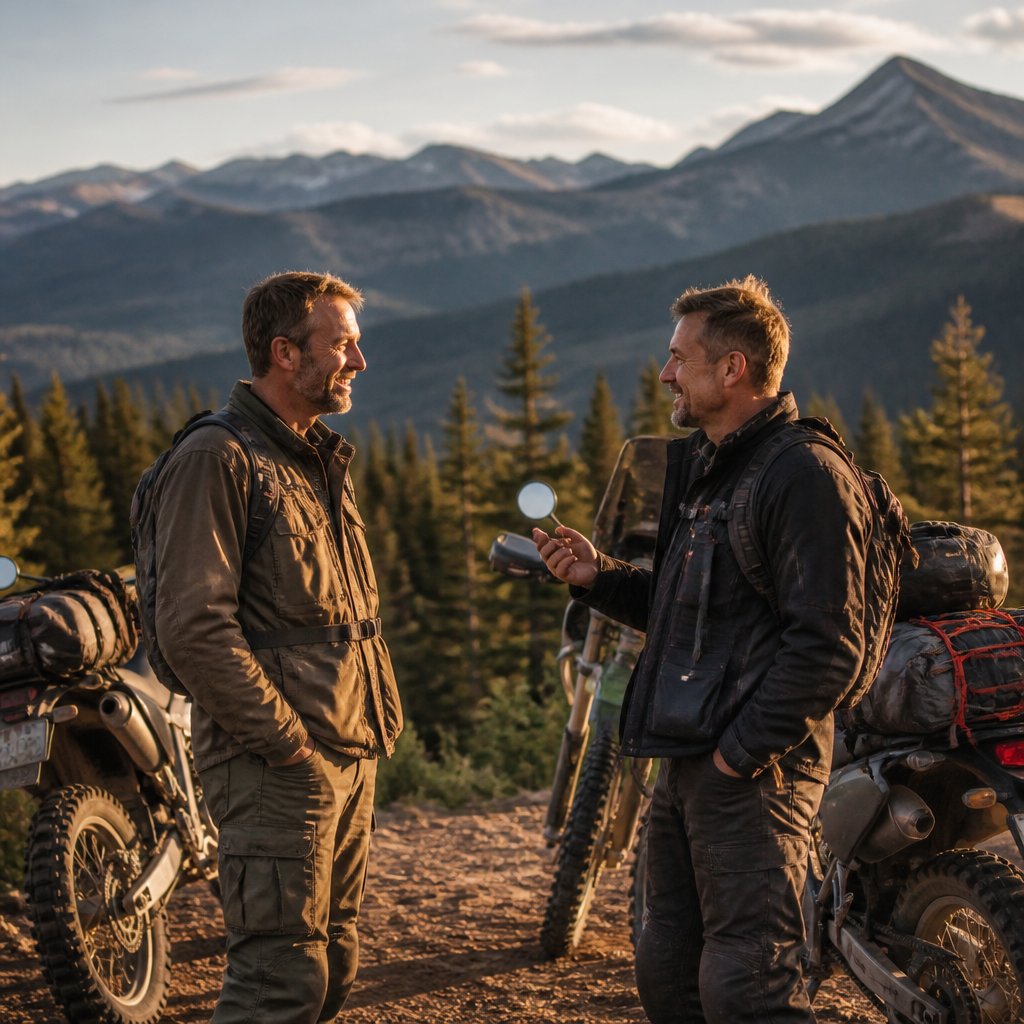
Motorcycle riding for mental health works because it asks something of you that a quiet room rarely does: total attention. Riders describe the same pattern again and again. The noise in your head gets quieter somewhere around the second mile, and the road takes over.
This guide from Moto Recovery covers what that reset actually is, what riders report about stress, focus, and mood, and how to build rides of different lengths around it.
Worth stating plainly up front: this is not treatment. Motorcycle riding for mental health is a complementary practice, something that supports well-being alongside professional care rather than replacing it.
Motorcycle Riding and Stress Relief: What the Research Says
Motorcycle riding and stress relief are linked in rider accounts far more than in controlled studies, and that distinction matters.
What does have solid backing is the general relationship between physical activity, time outdoors, and mood. Movement and natural settings are both associated with lower stress markers in broader public health research, and riding combines them with a third element: sustained concentration.
A common mistake is treating rider reports as proof. They are meaningful, and they are consistent, but they are not clinical evidence.
The Limits of the Evidence
The limits are worth naming directly. Most of what exists is anecdotal, self-reported, or drawn from broader research on exercise, nature exposure, and attention rather than motorcycling specifically. Sample sizes are small. Few studies isolate riding from everything else a rider does that week.
That does not make the experience less real. It makes the claims smaller. Motorcycle riding for mental health is best understood as a practice many riders find genuinely useful, supported by plausible mechanisms, not as a validated intervention.
Focus, Present-Moment Attention, and Mental Clarity
Focus is the part of motorcycle riding for mental health that surprises people who have never ridden. A motorcycle demands continuous present-moment attention in a way few daily activities do. You are reading the road surface, tracking traffic gaps, managing throttle and brakes, and monitoring your body position, all at once.
That load is the point. When attention is fully occupied by a task you can actually complete, the mental loop that replays worries has nowhere to run. Riders often describe mental clarity arriving not through effort but through occupation.
Mindfulness practices try to train this same present-moment attention deliberately. Riding delivers it as a side effect of staying upright.
Freedom, Escape, and the Open Road
Freedom and escape are the benefits riders name first, and they are doing more psychological work than they get credit for.
Escape gets a bad reputation in mental health conversations, as if wanting distance from a hard week were avoidance. A short, deliberate break is not avoidance. It is recovery.
There is also a quieter benefit: time alone. Solo riding creates a stretch of unstructured thinking time that most adults rarely get, and self-reflection tends to happen naturally when nobody is talking and nothing is pinging.
What Wind Therapy Motorcycle Rides Actually Feel Like
Wind therapy motorcycle rides feel like a sequence rather than a single sensation. The first few miles are usually noisy, mentally. Traffic, the route, the worry you brought with you. Then the rhythm sets in.
By the middle stretch, most riders report a narrowing of attention that feels like calm.
The last stretch often brings something riders struggle to name. Not euphoria exactly, more like steadiness. The thing that felt urgent at the start line has usually shrunk to its actual size by the time you pull in.
Inside Moto Recovery's Wind Therapy Rides
Moto Recovery's Wind Therapy rides are group rides built around that reset, run rider-to-rider by a 501(c)(3) nonprofit. Riders bring their own bikes for now, and Moto Recovery covers some ride expenses so cost is less of a barrier to showing up.
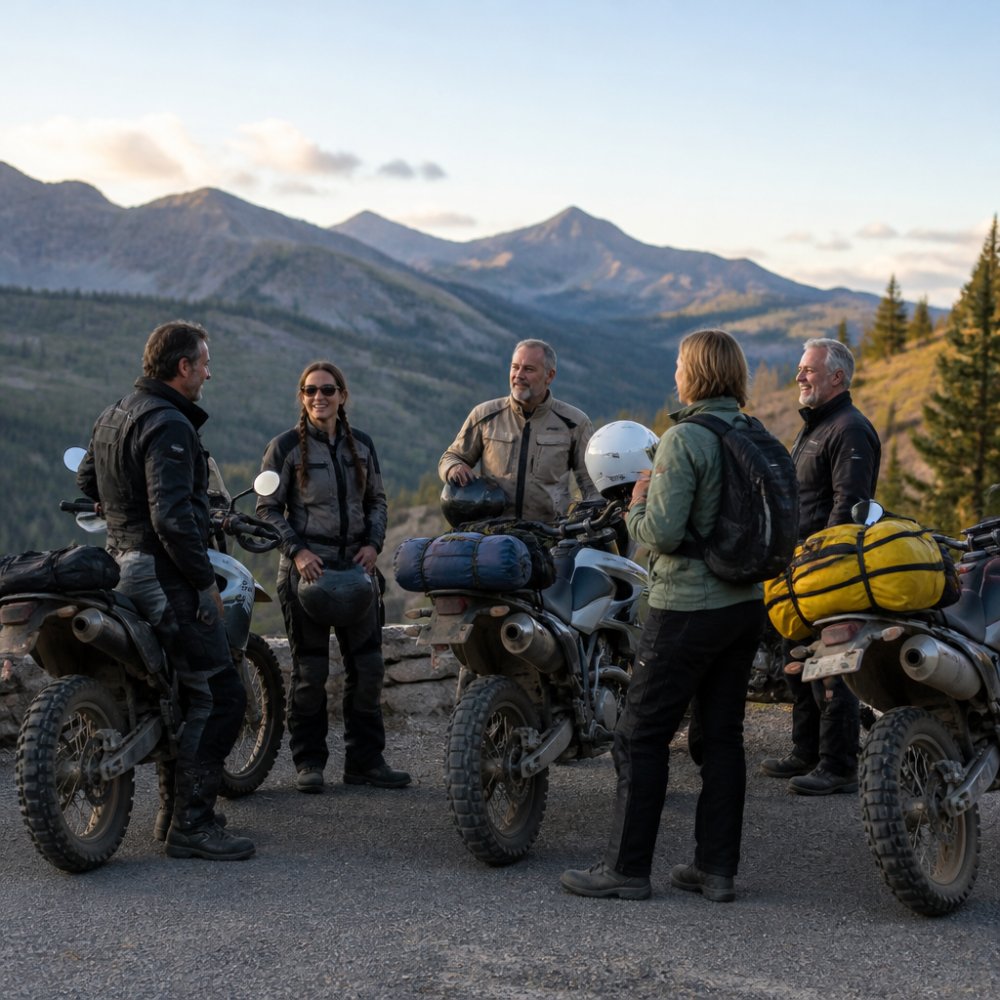
The format is deliberately low-pressure. These are not pace lines or skill tests. The point is the ride and the people on it.
Riders can also explore the routes on Moto Recovery's Rever riding community. It has plenty of day routes to choose from, and several can be extended into weekend trips or used as base camp loops. The three day Wind Therapy founding ride from the 2026 season is on there too.
The KLX 300 Fleet We're Building
The long-term plan is a fleet of Kawasaki KLX 300s, so riders without a bike of their own can still get out. That matters for the mission. A mental health practice that requires owning a motorcycle is a practice only some people can access.
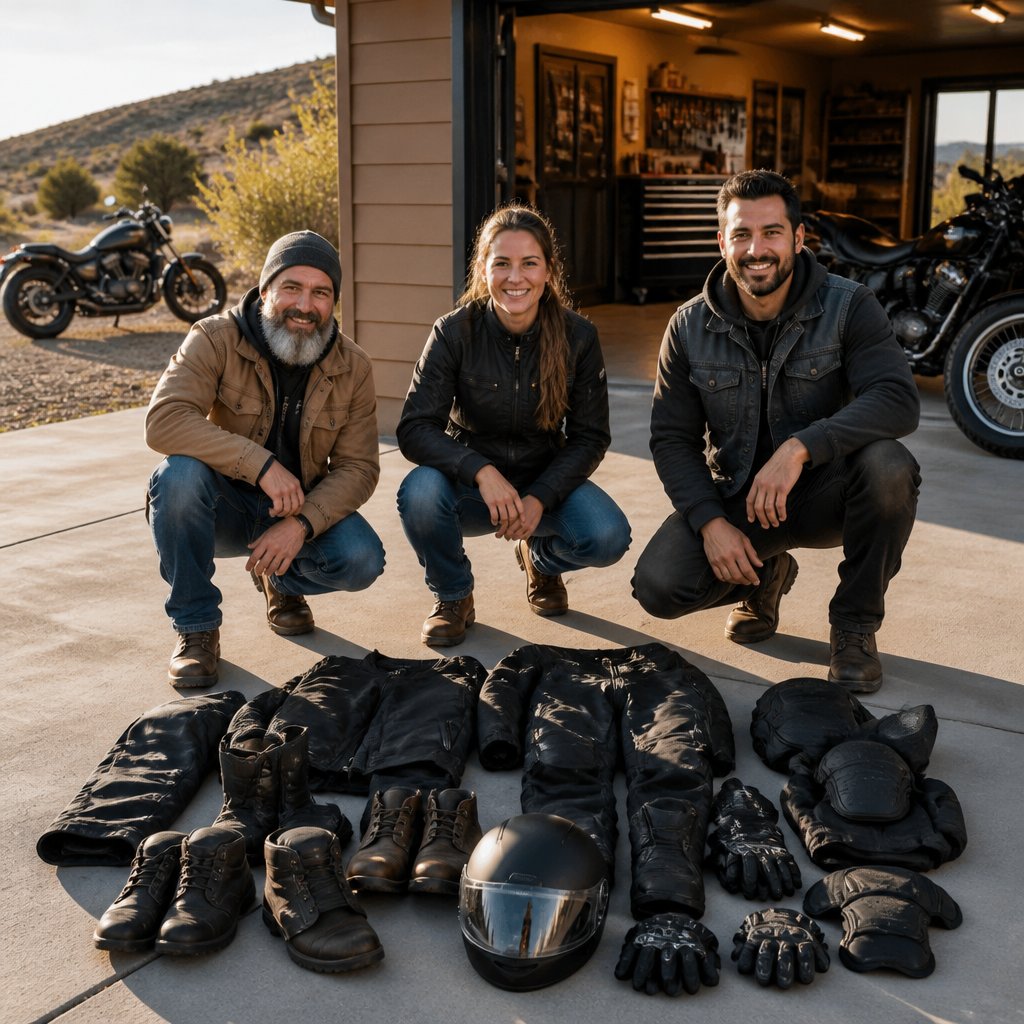
Building a fleet takes time, donations, and help. Motorcycle donations feed the Project Bikes program, where bikes are refreshed and either sold to support the mission or considered for the Wind Therapy fleet. Viking Bags has supported current Wind Therapy rides with luggage, which matters more than it sounds like once rides stretch past a single afternoon.
Solo Riding vs. Group Riding: Two Different Kinds of Reset
Solo riding and group riding deliver different things, and knowing which you need is half the battle. Solo riding is the self-reflection version: unstructured thinking time, your own pace, nobody else's schedule. Group riding is the social connection version: shared experience, conversation at the stops, and the accountability that comes from showing up for other people.
The rider who says "I'm not a joiner, I ride alone" is not wrong about what works for them. But solo riding has a failure mode. When the week gets heavy, the ride that would help most is the one easiest to skip, because nobody is expecting you. A group ride removes that option.
Ride format | What it delivers | Best for | Watch out for |
|---|---|---|---|
Solo riding | Reflection, mental clarity, own pace | Processing a hard week | Easy to skip when you need it most |
Group riding | Social connection, accountability | Isolation, low motivation | Group dynamics can add pressure |
Mixed pattern | Both, alternating by need | Most riders long term | Requires a little planning |
Motorcycle Group Riding Safety: Ride Smart, Stay Calm
Motorcycle group riding safety comes down to predictability: a calm, well-briefed group is a safe group. The mental health benefit evaporates fast if the ride is chaotic, so safety and stress relief are the same project.
A few habits do most of the work. Agree on the route and regroup points before anyone starts the engine. Ride staggered, not side by side. Leave real following distance, more than feels necessary.
The mental side matters too. A group ride is not the place to prove anything. The fastest rider on the ride is not the one having the best time.
One-Day Rides: The Mental Health Day on Two Wheels
A one-day ride is the most accessible version of motorcycle riding for mental health, and it is often enough. A few hours out and back, a route you know or one you have been meaning to try, and you are home before dinner with a noticeably quieter head.
What makes a day ride work mentally is not distance. It is the shape of the day: a clean departure from routine, a stretch of sustained attention, one real stop, and a return that leaves you fresher than you left. A 90-mile loop planned well does more than a 300-mile slog planned badly.
A Pre-Ride Check-In That Takes Two Minutes
Before you pull on the helmet, run a short, honest check on yourself. This is the practical routine most articles skip, and it is the difference between a ride that helps and a ride that hurts.
- Sleep. Did you get real sleep last night? Under-slept riding is impaired riding, full stop.
- Mood. Are you steady, or are you riding to outrun something? Riding to process is fine. Riding in a state you cannot focus through is not.
- Body. Any pain, stiffness, or medication that affects alertness? Be honest about it.
- Weather and light. Heat, wind, and low sun are fatigue multipliers. Plan around them, not through them.
- Route and turnaround. Know your loop and your bail-out point before you leave the driveway.
If any of those come back wrong, the correct move is to shorten the ride, delay it, or take the car. A day ride is easy to reschedule. A bad decision at speed is not.
Planning a Good One-Day Ride
- Pick a loop, not an out-and-back, so the scenery stays new the whole way.
- Cap it at a distance that leaves you fresh, not fried. A tired rider is not a relaxed one.
- Build in one real stop, a diner, a viewpoint, a small town, rather than riding straight through.
- Go early or late to skip the worst traffic and the worst heat.
- Leave the phone in the tank bag at the stops. The point is the gap in the input stream.
- Ride the first 20 minutes deliberately easy. The mental shift usually arrives around the second mile, not the first.
Mindful Riding Prompts for the Day
Attention is the mechanism, so give it something to hold. Try one of these on a day ride:
- Name three things you can hear under the engine note at your next stop.
- Pick a single corner on your route and ride it as cleanly as you can, then let it go.
- Choose one thing to leave on the road, a worry, a grudge, a to-do list, and notice whether it shrank by the turnaround.
- Ride the return leg a little slower than the outbound. The come-down matters as much as the climb.
A Post-Ride Reflection
Before you walk inside, take sixty seconds. What feels different than it did at the start line? What is still there? The second question matters as much as the first, riding clears the noise, it does not erase the problem. A short note in your phone is enough, and over a season those notes tell you more about what actually helps than any article can.
What a Day Ride Costs
One-day rides are the cheapest entry point. Fuel and a meal is the whole budget, which makes them the easiest to repeat weekly. Pack a lunch and a full water bottle and the day costs less than a movie and dinner out. The mental health benefit does not scale with spending, a cheap loop from home delivers the same reset as an expensive destination, sometimes more, because there is less to manage.
Where Moto Recovery Fits
Moto Recovery's Wind Therapy rides include day-ride formats, and the point is the same at every length: get riders out, together, with the barrier to showing up as low as we can make it. Riders bring their own bikes for now, and the long-term plan is a fleet of Kawasaki KLX 300s so riders without a bike of their own can still get out. Viking Bags has supported current Wind Therapy rides with luggage, which matters more than it sounds like once a ride stretches past a single afternoon.
Weekend Motorcycle Trips: Two Days That Reset a Week
Weekend motorcycle trips add one crucial ingredient that day rides cannot: a night away. Waking up somewhere else, with the ride still ahead of you, breaks the weekly routine more completely than any single day can.
The planning is straightforward. Ride out Saturday morning, keep the first day shorter than you think you should, and camp or stay simply. Sunday is the return, ideally on a different road.
Budget varies wildly here. Camping keeps costs low. A motel and restaurant meals push it up. Either works. The mistake is overplanning a weekend until it becomes a logistics project, which defeats the purpose of a mental reset.
Long Weekend Rides: Three to Four Days of Reset
A three-to-four-day ride is where the mental reset gets deep enough to notice afterward. The first day shakes off the week. The second day is where the head actually clears.
This length rewards a basecamp approach: pick one area, stay put, and take loops out from there rather than packing up every morning. Less setup, more riding, and a real sense of place. It also makes the trip easier to budget, since one campsite or room covers several nights.
Long weekends are also the sweet spot for group rides. Four days is long enough for a group to settle into a rhythm and short enough that nobody's patience wears thin.
Week-Long Rides and Beyond: The Deep Reset
A week or more on the road is the deep end of motorcycle riding for mental health, and it is not for everyone. It is also, for the riders it suits, the most powerful version.
The trade-offs are real. Cost climbs, obligations at home pile up, and fatigue becomes a genuine safety factor. Long rides need rest days built in, not as a luxury but as part of the plan.
For anyone considering it, the honest advice is to build up. Do the weekend first, then the long weekend, then the week. The skills and the self-knowledge compound.
Budget-Friendly Rides vs. Bank Account Screaming
Ride planning lives on a spectrum, and both ends are legitimate. A budget-friendly ride is fuel, a campsite, and food from a cooler. A bank-account-screaming ride is hotels, restaurants, and every gear upgrade you have been eyeing. Neither is morally superior. The only real mistake is pretending the expensive version is required.
Ride length | Budget-friendly approach | Higher-cost approach |
|---|---|---|
One day | Loop from home, pack a lunch | Destination diner and a scenic route |
Weekend | Campground and cooler meals | Motel and restaurants |
Long weekend | One basecamp, loops from there | Lodging with amenities, guided routes |
Week or more | Camping, rest days, simple food | Hotels, planned stops, upgraded gear |
The mental health benefit does not scale with spending. A cheap weekend in a tent delivers the same reset as an expensive one, sometimes more, because there is less to manage. Decide what the budget can absorb without stress, and plan the ride to fit that number rather than the other way around.
Who Benefits, Who Might Not, and When to Seek Professional Help
Motorcycle riding for mental health suits riders who can ride safely and who find that focused, physical, outdoor activity settles them. It suits people who need a break from rumination, a reason to leave the house, or a community to show up for.
It may not suit everyone. Riders dealing with acute anxiety may find traffic and group dynamics add stress rather than relieve it. Riders in a crisis need care, not a ride.
Seek professional help when low mood, anxiety, or intrusive thoughts persist for weeks, interfere with work or relationships, or come with thoughts of self-harm. In the United States, the 988 Suicide and Crisis Lifeline is available by call or text, and the National Institute of Mental Health publishes guidance on when and how to find care. For general well-being context, the CDC's mental health resources and the Substance Abuse and Mental Health Services Administration both maintain plain-language guidance and treatment locators.
Riding can be part of a good week. It is not a substitute for help when help is what is needed.
Conclusion
The hardest part of motorcycle riding for mental health is not the ride. It is believing that a few hours on two wheels counts as something worth protecting in a packed week.
Moto Recovery exists to make that easier.
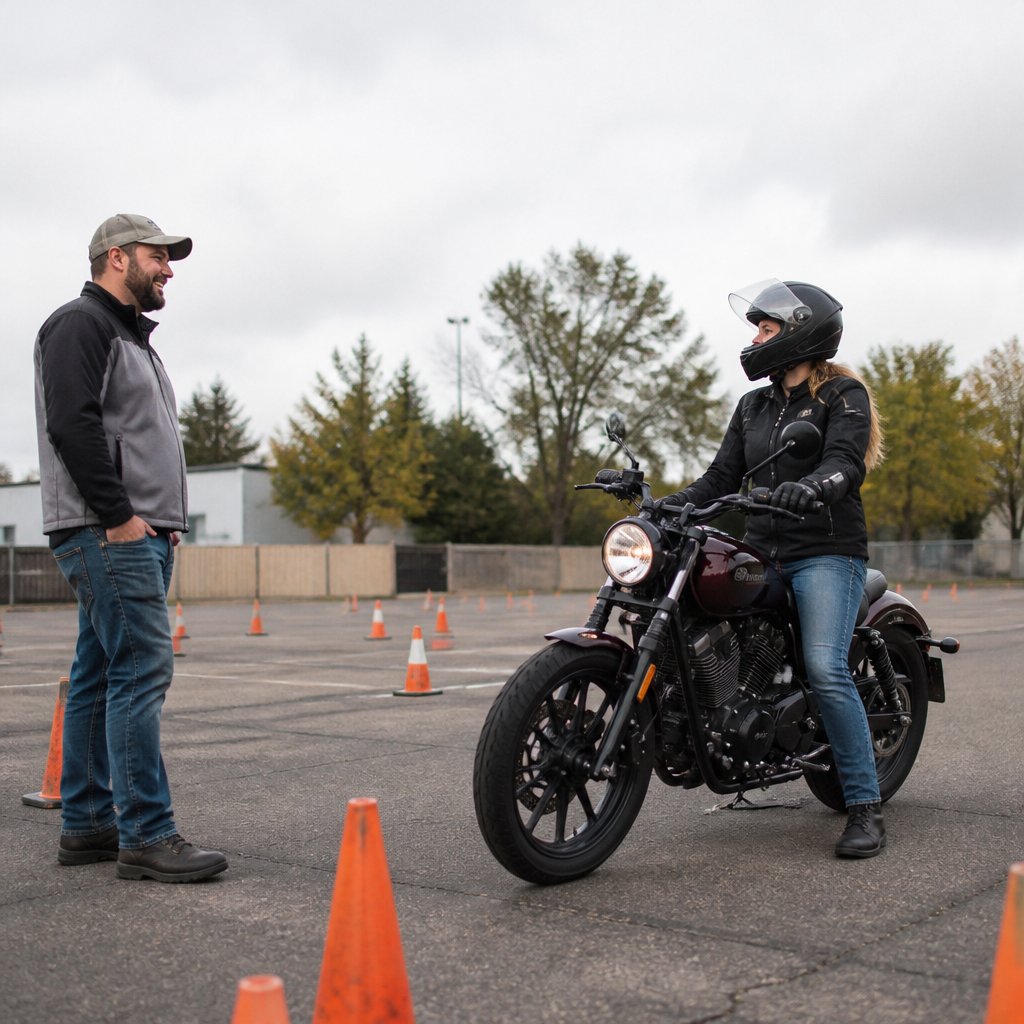
Explore Moto Recovery to find the next Wind Therapy ride, apply for a Basic Rider Course scholarship, or donate a bike that could put someone else on the road. Stronger With Every Mile starts with the first one.
Frequently Asked Questions
Can motorcycle riding help with stress and mental well-being?
Many riders report that motorcycle riding for mental health helps them feel calmer and more focused. The combination of focused attention, physical movement, and time outdoors can support stress relief and mood. Research on riding specifically is still limited, so treat it as a supplement to other coping tools rather than a replacement for care. If stress or anxiety is affecting daily life, talk with a professional. Riding works best as part of a broader plan that includes sleep, support, and, when needed, treatment.
What is wind therapy, and why do riders find it calming?
Wind therapy is rider shorthand for the mental reset that comes from a ride. The steady wind, engine rhythm, and changing scenery give your attention something concrete to hold onto, which can quiet racing thoughts. Wind therapy motorcycle rides work because they combine movement, fresh air, and a clear purpose. Moto Recovery runs Wind Therapy group rides for riders who want that reset with company. You do not need a long trip; even a one-day ride can shift your mood and help clear your mind.
How do I ride safely with a group?
Motorcycle group riding safety starts before the engine turns over. Agree on a route, hand signals, and a staggered formation, and pick a ride leader and sweep rider. Keep space, avoid riding side by side in a lane, and never ride beyond your comfort level to keep up. Check your bike, tires, and gear first. If you feel pressured or fatigued, speak up. A good group would rather adjust the pace than push someone past their limits. Safety is what makes the mental benefits possible.
What should I pack for a weekend motorcycle ride?
For weekend motorcycle trips, pack light but cover the basics: rain gear, layers for temperature swings, a basic tool kit, tire pressure gauge, phone charger, water, and any medications. Add a first aid kit and a small flashlight. Secure luggage with a system you trust, like saddlebags or a tail bag. Plan fuel stops and a backup route. Tell someone your itinerary. Packing well reduces on-road stress, which is the whole point of the trip.
How can I plan a motorcycle trip if I am new to riding?
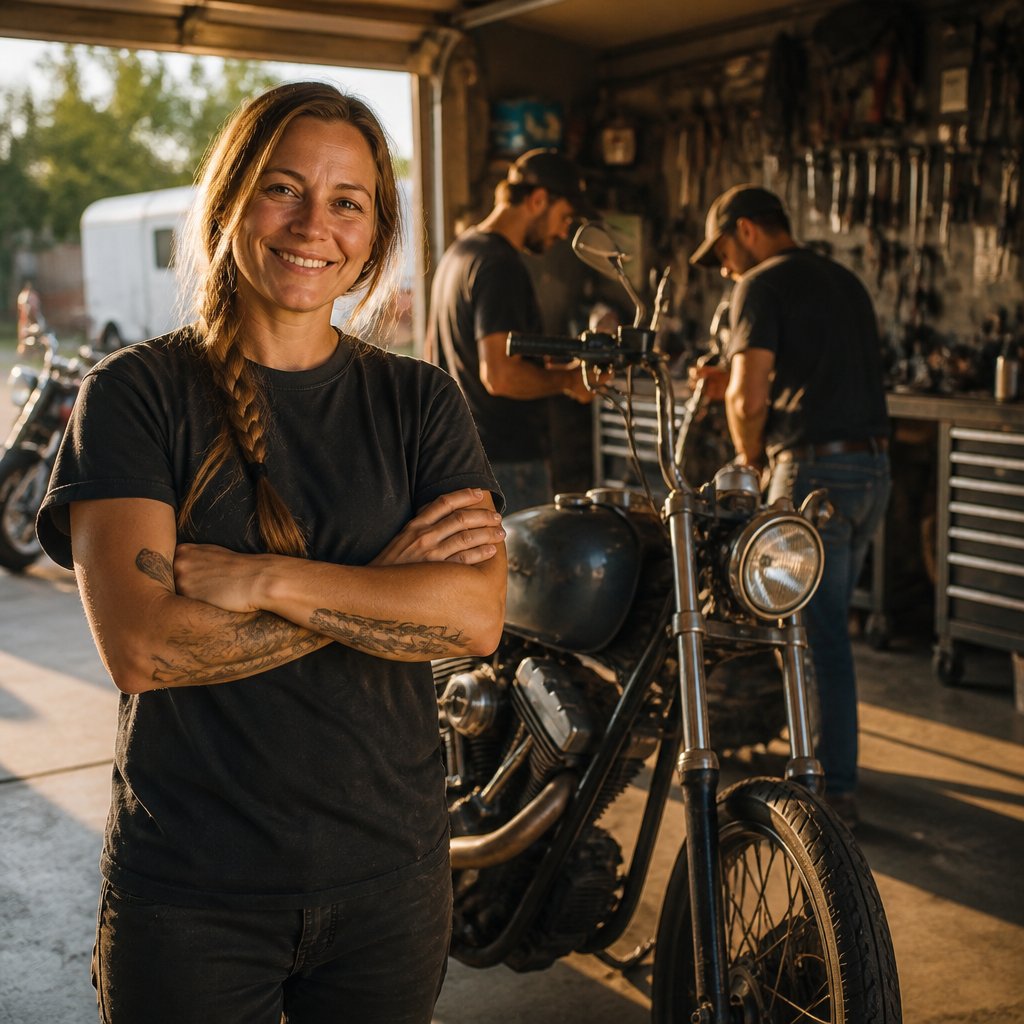
Start with a one-day ride on roads you know, then add distance gradually. Choose routes with light traffic and good pavement, and plan stops every hour or so. For weekend motorcycle trips, book a place to stay early and keep daily mileage modest. Moto Recovery's Basic Rider Course scholarships help newer riders access professional training, and Wrench Wednesday is a relaxed way to learn basic maintenance. Build confidence before you build miles.
When should I seek professional help instead of relying on a ride?
A ride can lift your mood, but it is not treatment. Seek professional help if you feel persistently hopeless, anxious, or unable to function, or if you have thoughts of harming yourself. If riding is the only thing that helps and everything else feels flat, that is also worth discussing with a clinician. Mental health professionals can offer therapy, medication, or both. Riding can support your mental health alongside care, but it should not stand in for it.