 ultimate-guide
7 Real Benefits of Nonprofit Motorcycle Organizations
Last Updated: October 27, 2026
Quick Summary
A nonprofit motorcycle organization uses rides, events, or membership to support a charitable cause, offering benefits like community support, volunteer contributions, and chances for riders to connect. These groups can also bring in new donors, build volunteer capacity, and gain sustained community visibility.
- A charity ride can introduce an organization to people in the riding community at low donor acquisition cost.
- Moto Recovery is a Colorado-based 501(c)(3) nonprofit operating under EIN 39-4470332.
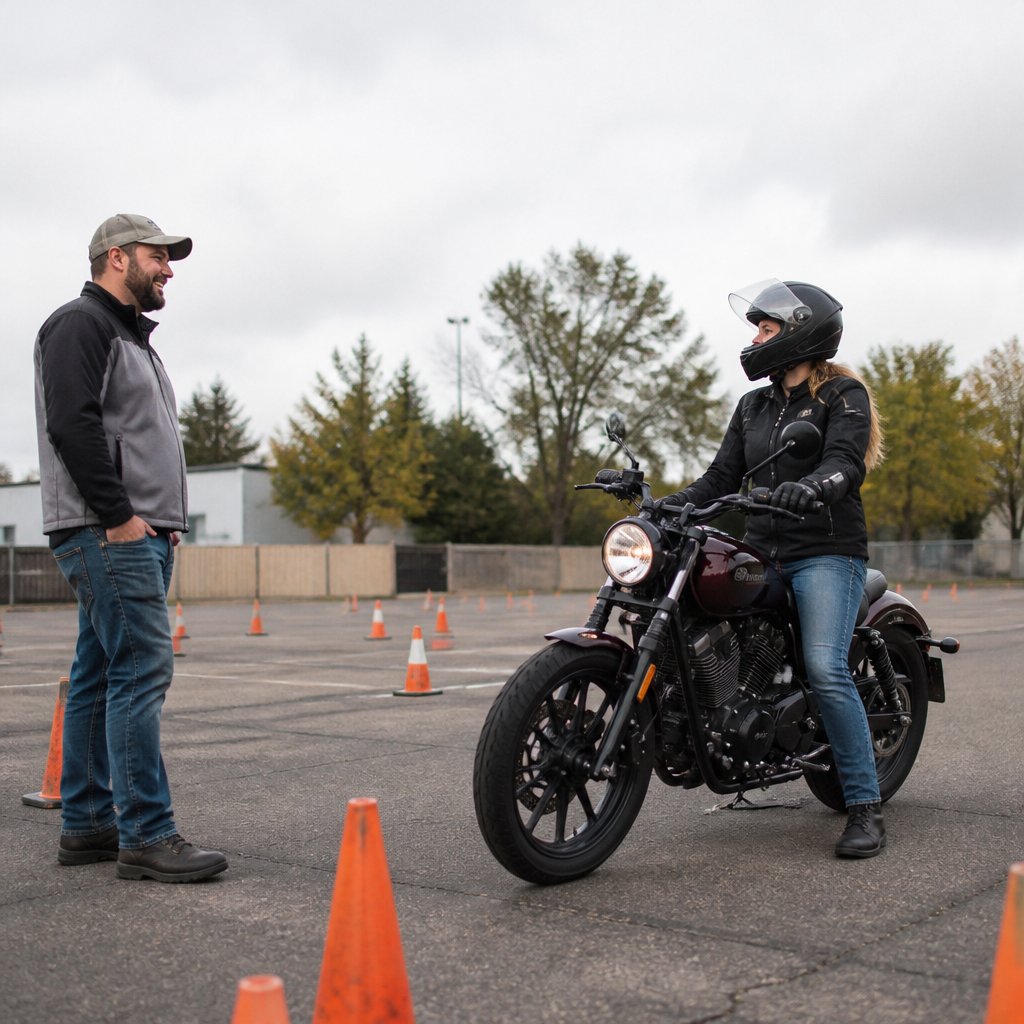
- Moto Recovery programs include Wrench Wednesday workshops, Basic Rider Course scholarships, and rider-to-rider transport assistance.
- Before giving, check an organization's status and EIN in the IRS Tax Exempt Organization Search.
- Motorcycle nonprofits range from charity ride organizers to rider assistance, training, veterans, and disaster relief groups.
Table of Contents
- The Benefits of Nonprofit Organizations Riders Rarely Hear About
- What a Nonprofit Motorcycle Organization Actually Does for Its Community
- How Moto Recovery Became a Nonprofit
- Motorcycle Charity Rides: What They Fund and Who They Reach
- Why Riders Donate a Motorcycle to Charity Instead of Selling It
- How to Check a Motorcycle Nonprofit Before You Give
- The Different Types of Motorcycle Nonprofit Organizations
- Support Moto Recovery and Keep the Ride Going
- Frequently Asked Questions
The Benefits of Nonprofit Organizations Riders Rarely Hear About
Most riders think of a nonprofit motorcycle organization as a charity ride on the calendar and not much else. That undersells what these groups actually do. A nonprofit motorcycle organization can bring riders together to support a cause.
The benefits of nonprofit organizations can include community support, volunteer contributions, and opportunities for riders to connect.
Moto Recovery is a Colorado-based 501(c)(3) nonprofit offering group rides, mechanical workshops, and rider-to-rider transport assistance.
Below is a plain look at what these organizations do, how one gets built, and how to tell a good one from a weak one before you hand over a bike or a check.
What a Nonprofit Motorcycle Organization Actually Does for Its Community
A nonprofit motorcycle organization uses motorcycle culture, events, or membership to support a charitable cause.
The daily work can include organizing rides, fundraising, and supporting a charitable cause.
The beneficiaries and activities vary by group.
The Benefits That Accrue to the Nonprofit Itself
Most coverage stops at "charity rides raise money." The practical benefits to the organization are more specific, and they compound:
- New donors at low acquisition cost. A charity ride can introduce an organization to people in the riding community.
- Volunteer capacity that cash cannot buy. Volunteers can contribute time and skills.
- Sustained community visibility. Recurring rides can provide repeated opportunities for community visibility.
- In-kind assets. Donated motorcycles can support an organization's work.
- A pipeline of board and committee members. The most engaged volunteers are the ones who eventually govern. Nonprofits that run events rarely struggle to fill board seats.
How to Measure Whether It Is Working
Organizations may choose to track measures such as:
How Moto Recovery Became a Nonprofit
Moto Recovery is a 501(c)(3) nonprofit. Its tagline says it plainly: Riders Helping Riders.
From Rider-to-Rider Help to a 501(c)(3)
The early work was simple and local. A rider needed a bike moved, or needed a hand in a garage, and someone with a truck or a wrench showed up. Word spread faster than any one person could manage. Turning that into a nonprofit meant adopting a board, bylaws, and the reporting that comes with tax-exempt status. The organization now operates under EIN 39-4470332, which is the number a donor can use to verify standing with the IRS.
What the Nonprofit Structure Changed
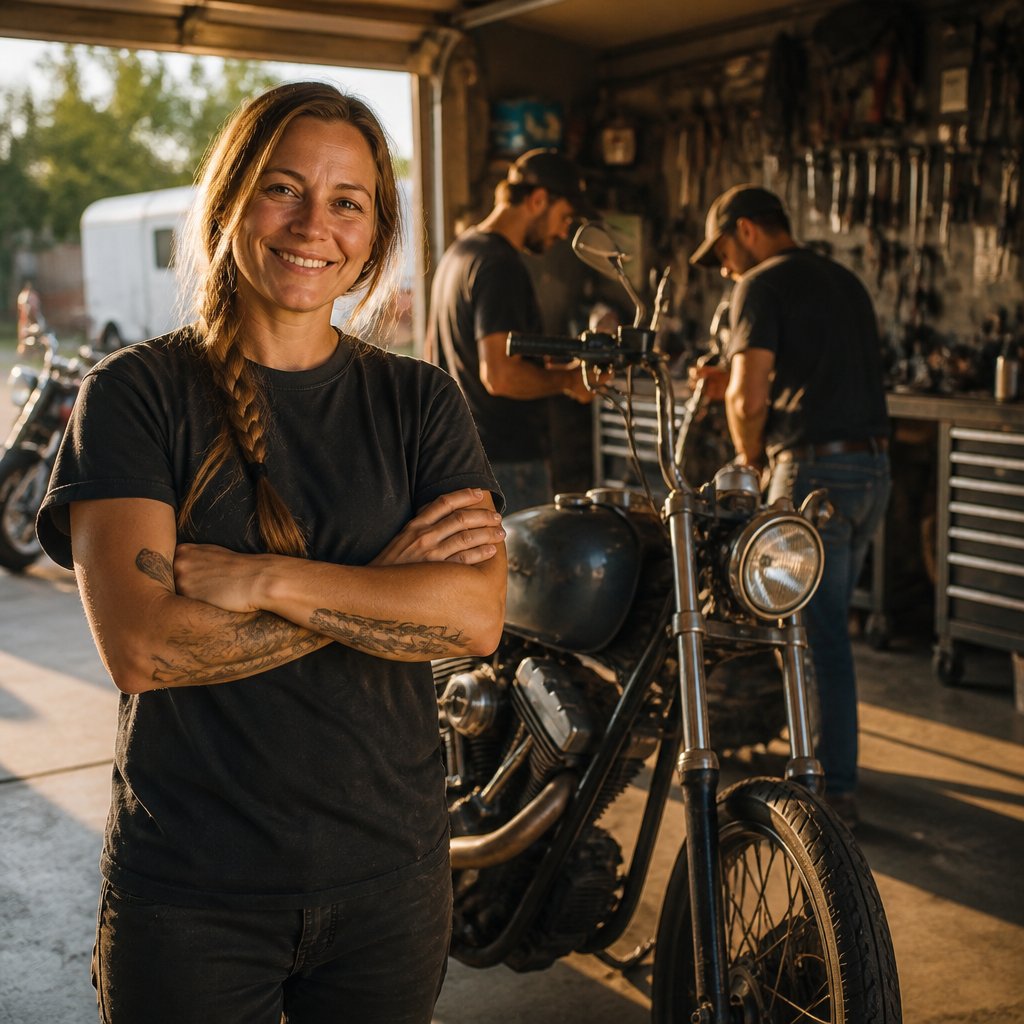
Moto Recovery welcomes motorcycle donations for Project Bikes. Bikes may be refreshed and sold to support the mission or considered for the Wind Therapy fleet. Its programs include Wrench Wednesday workshops, Basic Rider Course scholarships, and rider-to-rider transport assistance.
Motorcycle Charity Rides: What They Fund and Who They Reach
Charity rides can be one way a nonprofit motorcycle group supports a cause.
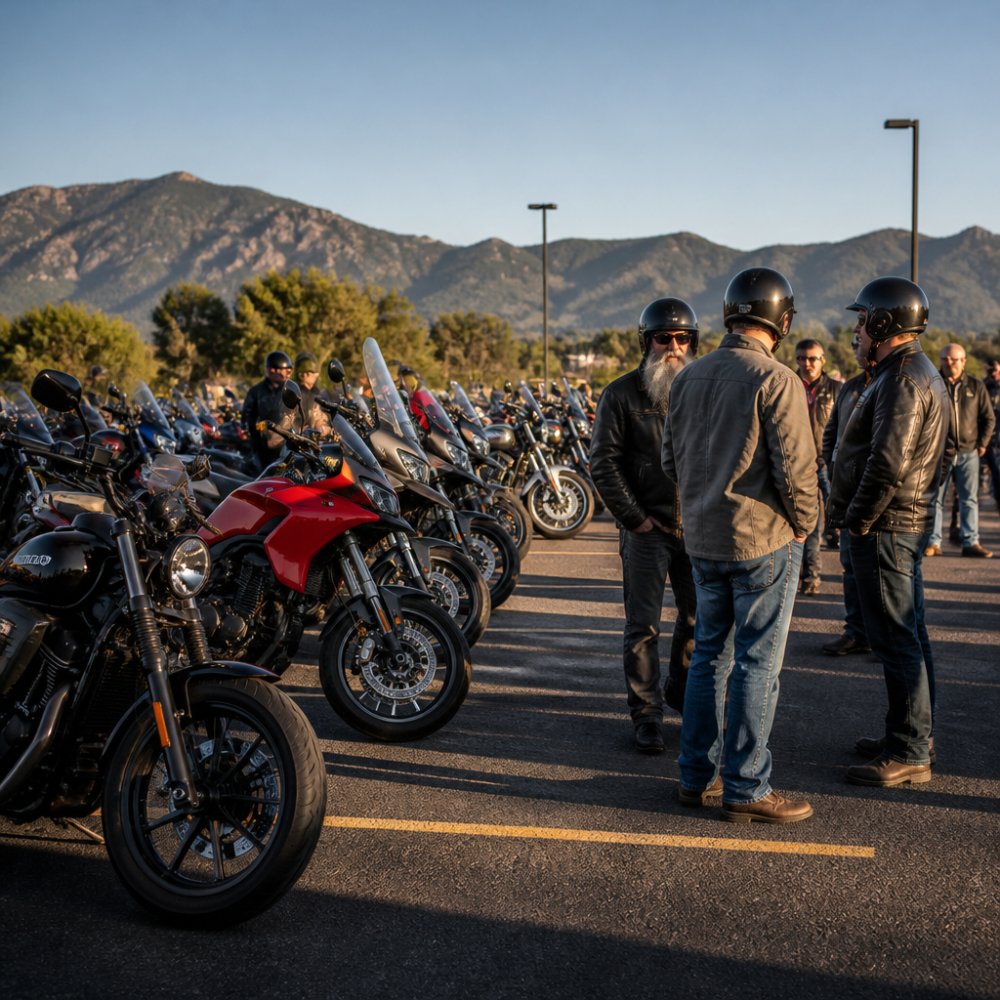
Rides can offer an opportunity for riders to connect.
Why Riders Donate a Motorcycle to Charity Instead of Selling It
Donating a motorcycle can put it toward a cause.
The practical case for donating a motorcycle to charity comes down to four things:
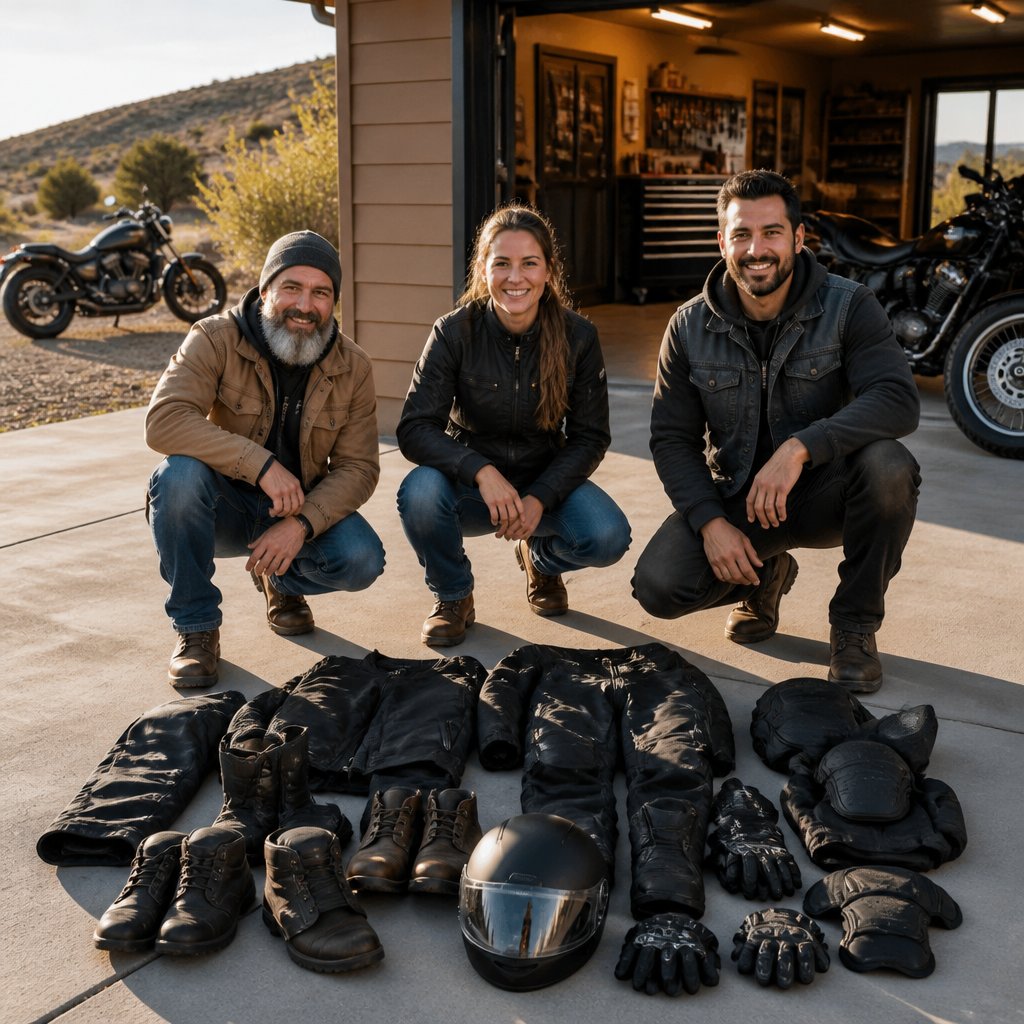
- The bike may be refreshed and sold to support the mission or considered for the Wind Therapy fleet through Project Bikes
Riders who want a clear starting point can donate through Moto Recovery, and those weighing the decision can read a fuller walkthrough in the guide to donating an old motorcycle.
How to Check a Motorcycle Nonprofit Before You Give
You can start by checking an organization's status and EIN in the IRS Tax Exempt Organization Search (Search for tax exempt organizations). The safeguards below offer questions to consider.
Governance and Legal Safeguards
- A real board. Ask who sits on the board and whether members are reachable.
- Event permits. Charity rides on public roads typically need local permits, and some jurisdictions require advance notice for large group rides. An organizer who has done this before will know the drill.
- Insurance. General liability coverage for the organization and event-specific coverage for rides are standard. Ask for a certificate of insurance before you volunteer, sponsor, or ride.
- Vehicle title handling. A donated motorcycle should be titled to the organization, not to an individual. Confirm the process before you sign anything over.
- Safety planning. A serious group publishes a ride plan: route, marshals, sweep rider, first-aid plan, and a communications channel.
Financial Safeguards and Transparent Reporting
- Segregated funds. Donations and event proceeds should move through the organization's accounts, never a personal one.
- Published program-versus-overhead ratios. The IRS Form 990 is public and shows the split. Read it rather than relying on a verbal answer.
- Named beneficiaries. Proceeds should be traceable to a specific cause, with a posted total after the event.
- Donation acknowledgment. A 501(c)(3) should provide a written acknowledgment for donations of cash and vehicles, which the donor needs for tax purposes.
- Vehicle disposition policy. Ask what happens to a donated bike.
The Four Questions to Ask Directly
- What percentage of funds goes to programs versus overhead?
- Who sits on the board, and are they reachable?
- What happens to a donated vehicle after pickup?
- Can the group show results from past events?
Donors checking how a bike gets from a driveway to a program can review how transport and pickup work before committing.
The Different Types of Motorcycle Nonprofit Organizations
Motorcycle nonprofits can focus on different kinds of support.
| Type | Primary Focus | Typical Programs |
|---|---|---|
| Charity ride organizers | Events that raise funds for a named cause | Poker runs, toy runs, parades |
| Rider assistance groups | Help for riders in hardship or crisis | Transport, emergency support |
| Youth and training nonprofits | Rider education and access | Basic Rider Course scholarships |
| Community outreach groups | Local welfare and public support | Meals, clothing, shelter drives |
| Veterans' service organizations | Support for veterans and families | Service referrals, outreach |
| Disaster relief groups | Rapid response funding | Fund drives, supply runs |
Moto Recovery offers rider-to-rider transport assistance, Wrench Wednesday workshops, and Basic Rider Course scholarships. Readers curious about rider-training support can see how the scholarship program runs.
Different organizations may focus on different kinds of support. Consider the help you want to give or receive.
Support Moto Recovery and Keep the Ride Going
The Moto Recovery Victory Tee features the MR logo, checkered detail, and the Stronger With Every Mile message on a lightweight Gildan Softstyle jersey tee, priced from $30.00 to $32.50.
The Stronger With Every Mile sticker is a $5.00 vinyl kiss-cut sticker, 4 inches wide by 2.88 inches tall. Same message, smaller footprint.
Purchases support Moto Recovery's mission.
Moto Recovery offers rider-to-rider transport assistance, Wrench Wednesday maintenance sessions, Basic Rider Course scholarships, and Project Bikes, which welcomes donated motorcycles. Stronger With Every Mile is one of our taglines. Get started with Moto Recovery and support its mission.
Frequently Asked Questions
What are the benefits of nonprofit organizations for a local riding community?
A nonprofit motorcycle organization can support a community through its mission. Moto Recovery offers Basic Rider Course scholarships, rider-to-rider transport assistance, group rides, and Wrench Wednesday workshops. The main benefit is support for a charitable cause.
Can I donate a motorcycle to charity and still claim it on my taxes?
Moto Recovery welcomes motorcycle donations for Project Bikes. Bikes may be refreshed and sold to support the mission or considered for the Wind Therapy fleet. For tax questions, consult an appropriate tax professional or official source.
How do I know a motorcycle nonprofit is legitimate before I give?
You can review an organization's stated mission and ask what happens to a donation. Moto Recovery is an IRS 501(c)(3) nonprofit with EIN 39-4470332. It welcomes motorcycle donations for Project Bikes; bikes may be refreshed and sold to support the mission or considered for the Wind Therapy fleet.
What types of motorcycle nonprofit organizations exist?
Motorcycle nonprofits may focus on charity rides, rider assistance, training, or community outreach. Moto Recovery offers rider-to-rider transport assistance, group rides, Wrench Wednesday mechanical workshops, and Basic Rider Course scholarships.