 blog
Motorcycle Volunteer Opportunities in Colorado: Where Riders Can Help
Last Updated: November 6, 2026
Quick Summary
You can find motorcycle volunteer opportunities in Colorado through Moto Recovery, a Colorado-based 501(c)(3) nonprofit. Roles include event support, Wrench Wednesday shop sessions, rider education tabling, and grassroots transport assistance. Event support is the easiest entry point, with most shifts running four to eight hours.
- Wrench Wednesday shop sessions run weekly on Wednesday evenings for two to three hours.
- Most event roles are one-time commitments of four to eight hours, often starting before sunrise.
- Many events allow volunteers under 18 with a signed parental consent form.
- Transport volunteers need a vehicle rated for towing or hauling, plus straps, chocks, and a ramp.
- Try one role once, then try a second role before committing long-term.
Table of Contents
- Why Motorcycle Volunteer Opportunities in Colorado Matter
- Motorcycle Volunteer Opportunities in Colorado Springs
- Becoming a Motorcycle Event Volunteer
- Serving as a Motorcycle Mechanic Volunteer
- Motorcycle Transport Assistance Volunteer Roles
- Sign Up and Start Helping Riders Near You
- Frequently Asked Questions
Why Motorcycle Volunteer Opportunities in Colorado Matter
Motorcycle volunteer opportunities in Colorado connect riders who want to give back with the groups that keep the riding scene running. Moto Recovery, a Colorado-based 501(c)(3) nonprofit, sees the same pattern: the people who show up to help get the most out of riding.
The work ranges from handing out water at a rest stop to turning wrenches on a project bike. Some roles take a morning. Others become a season-long habit.
The riding community runs on favors. A rider stranded on the shoulder remembers who answered the phone. A new rider who gets a scholarship to a Basic Rider Course remembers who made it possible.
That is the idea behind Riders Helping Riders, less a slogan than a description of how the community already works, just a little more organized.
Here is where the help is needed, what each role asks, and how to get started.
Motorcycle Volunteer Opportunities in Colorado Springs
Opportunities in the Colorado Springs area cluster around event support, mechanical help, and rider assistance. Below is a working directory of recurring and seasonal options, with the details that decide whether you can show up.
Recurring, year-round roles
| Program | Typical Schedule | Time per Shift | Experience Needed | How to Start |
|---|---|---|---|---|
| Wrench Wednesday shop sessions | Weekly, Wednesday evenings | 2-3 hours | None; learners welcome | Contact the organization to confirm the next session |
| Grassroots transport assistance | On request, year-round | 1-4 hours per haul | Comfort loading and securing a bike | Ask to be added to the transport volunteer list |
| Rider education and outreach tabling | Monthly, spring through fall | 3-4 hour blocks | None; a good attitude helps | Ask about upcoming outreach events |
| Charity and benefit ride support | Seasonal, April through October | Half day to full day | None for most roles | Watch event calendars and sign up early |
Seasonal event support
A few patterns worth knowing before you commit:
- Spring events (April-May) are smaller and need fewer volunteers, a low-pressure first outing.
- Summer events (June-August) are the heaviest lift. Start-line and parking roles fill first.
- Fall events (September-October) double as season-closers and need help with teardown and equipment storage as much as rider support.
Mechanical and shop help
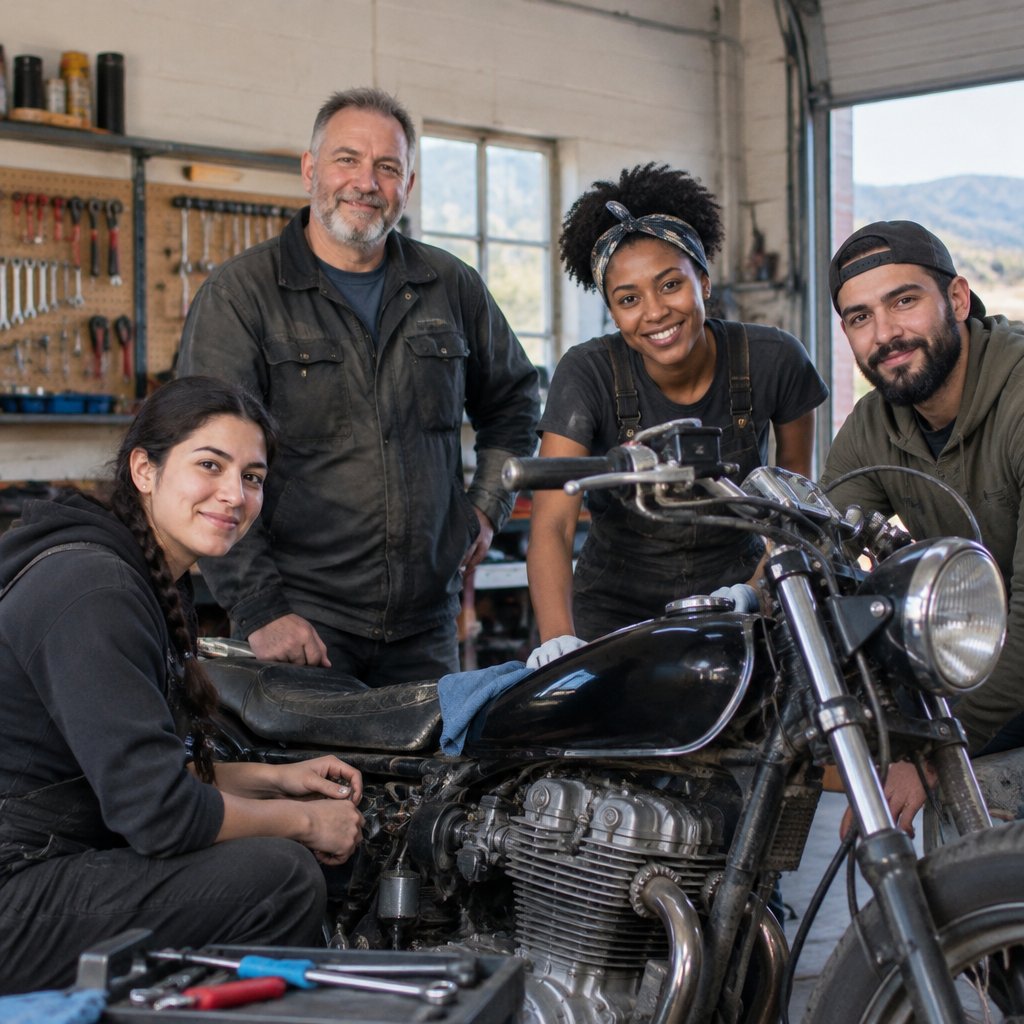
Wrench Wednesday welcomes riders who want to connect, learn, and work together on light motorcycle maintenance and routine servicing in a relaxed garage setting. If you have never adjusted a chain, say so, someone will walk you through it.
Transport and rider assistance
Transport has the most urgent need and the least glamour. Moto Recovery offers grassroots motorcycle transport assistance as availability allows.
Watch out: Committing to a volunteer role without confirming the timeline and physical demands. Ask before you say yes.
If you want the rider's-eye view of how transport requests work, motorcycle transport assistance in Colorado explains the program from the other side of the phone call.
Becoming a Motorcycle Event Volunteer
Event volunteering is the easiest entry point into motorcycle volunteer work, and where most people start.
The jobs, broken down
- Pre-event assistance: Setting up signage, marking parking areas, staging registration tables, and running a final walk-through of the course or venue.
- Start line: Checking riders in, confirming waivers are signed, verifying wristbands, and keeping the rollout orderly so groups leave on schedule.
- Rest stops: Handing out water and snacks, tracking rider counts, and watching for anyone who looks overheated, dehydrated, or worn out.
- Finish line: Logging arrivals, directing riders to parking, handing out finish materials, and helping with teardown and cleanup.
- Safety support: Staffing a safety crew position, flagging hazards on the route, and coordinating with event leadership if something goes wrong.
What the role actually asks of you
Most event roles are one-time commitments of four to eight hours, with report times that can be well before sunrise for start-line and parking crews. Rest-stop roles often run longer because volunteers stay until the last rider passes. Finish-line and teardown roles can stretch into the afternoon.
The physical demands are real but modest: standing for long stretches, walking parking areas, lifting cases of water, and working in sun, wind, or cold. If you have mobility limits, say so when you sign up, organizers can usually place you at a stationary role like registration or finish-line logging.
Eligibility, training, and gear
- Age: Many events allow volunteers under 18 with a signed parental consent form; some safety-crew and transport roles require 18 or older. Confirm with the organizer.
- Experience: None required for registration, rest stops, parking, or finish line. Safety-crew and ride-leader roles typically ask for solid group-riding habits and a clean riding record.
- Training: Organizers usually run a short briefing covering the route, radio or phone protocol, emergency contacts, and where to send riders who need help. Safety-crew volunteers often get a separate walkthrough.
- Gear: Closed-toe shoes, sun protection, and layers are the baseline. If you ride to the event, wear your normal riding gear and bring a change of clothes. Safety-crew volunteers may be asked to wear a high-visibility vest, usually provided.
- Background checks: Some events involving youth programs or rider information ask for a background check, more common for ongoing roles than one-day shifts.
How to get placed
You can contact Moto Recovery directly to ask what volunteer help is currently needed.
Watch out: Assuming a role is sedentary because the title sounds simple. Ask about physical demands before you commit.
If you want to build confidence before your first shift, why a beginner motorcycle maintenance workshop pays off covers the skills that transfer directly to event-day mechanical support.
Serving as a Motorcycle Mechanic Volunteer
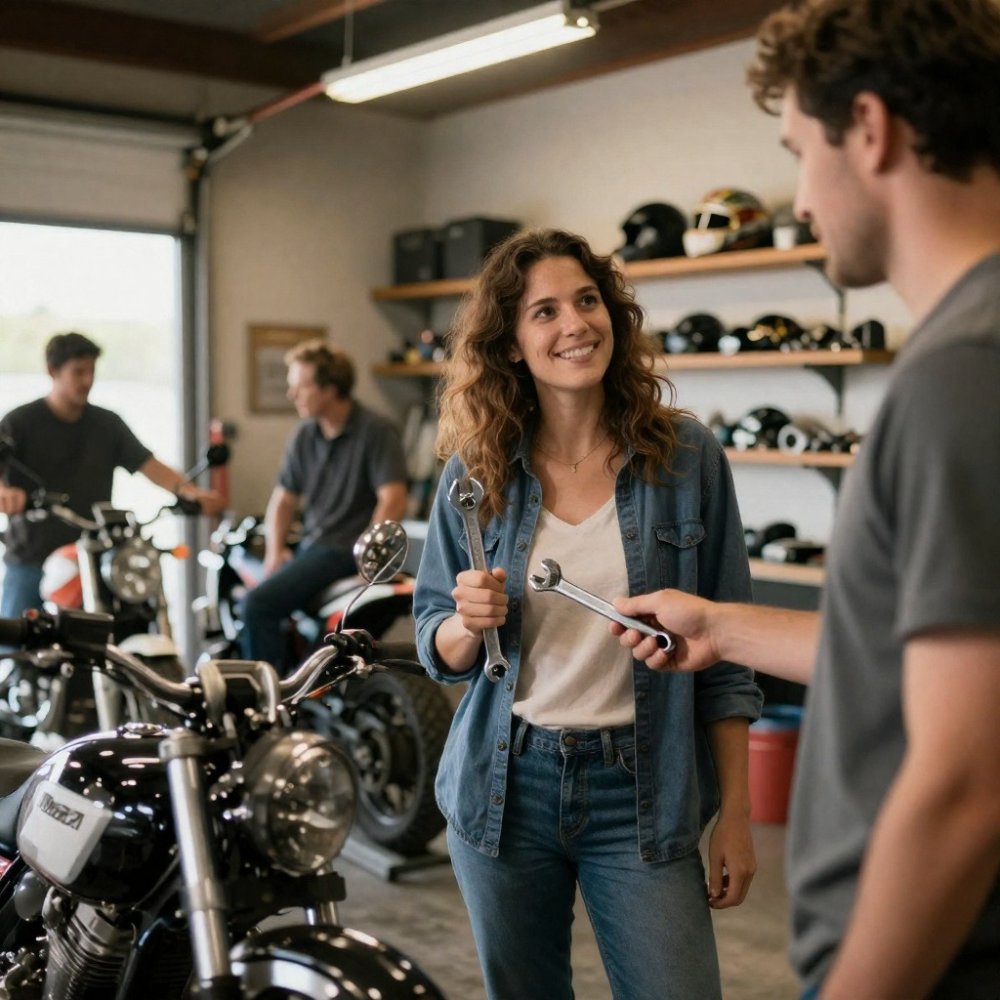
A motorcycle mechanic volunteer keeps bikes safe and road-ready, and the role suits anyone who likes working with their hands. Moto Recovery's Wrench Wednesday welcomes riders who want to connect, learn, and work together on light motorcycle maintenance and routine servicing in a relaxed garage setting.
What does the work actually look like?
- Checking tire pressure, tread, and chain tension
- Inspecting brake pads and fluid levels
- Changing oil and filters
- Cleaning and lubing cables
- Helping diagnose small problems before they become big ones
Wrench Wednesday welcomes riders who want to learn, not just riders who already know.
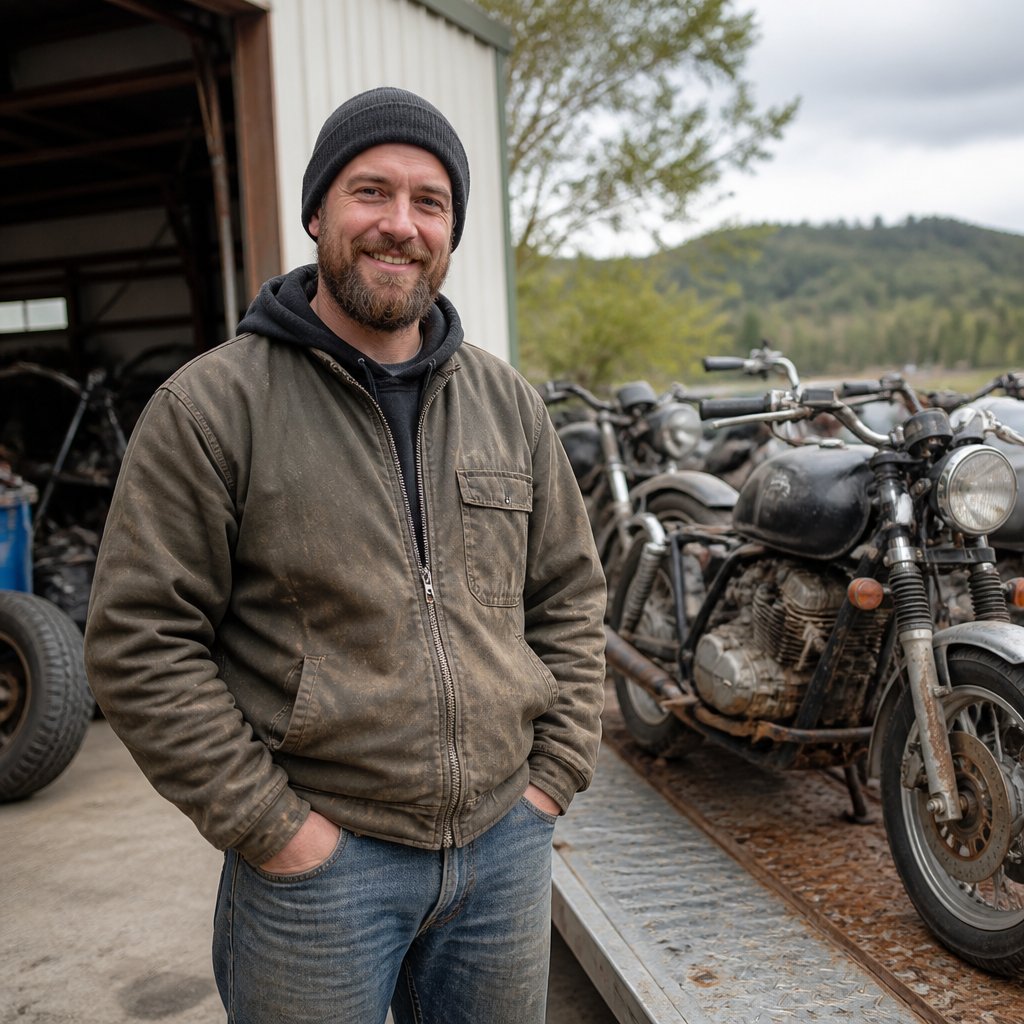
For anyone who wants to build skills before volunteering, why a beginner motorcycle maintenance workshop pays off covers what to expect. And if you are curious about the bikes themselves, the Project Bikes program shows the kind of machines that come through the shop.
Watch out: Overpromising on skills. If you have never pulled a wheel, say so.
Motorcycle Transport Assistance Volunteer Roles
Motorcycle transport assistance fills an urgent need for riders whose bikes need to be moved.
Moto Recovery offers grassroots transport help as availability allows.
What the role asks for:
- A vehicle rated for towing or hauling
- Straps, wheel chocks, and a ramp
- Patience for loading a bike without scratching it
- Willingness to work around someone else's schedule
If you want to understand what transport assistance involves before signing up, motorcycle transport assistance in Colorado explains the program from the rider's side.
Sign Up and Start Helping Riders Near You
Getting started takes less effort than most people expect. Pick one role, try it once, and decide from there.
A simple path:
- Choose a role that matches your comfort level. Event support is the easiest start.
- Reach out and ask what the next opportunity looks like.
- Show up early, listen to the briefing, and ask questions.
- Try a second role before committing to anything long-term.
Before signing up, it helps to know who you are joining. The About page covers the organization's background.
The community is stronger with every mile, and every volunteer adds one. Whether that means holding a clipboard at a start line or turning a wrench on a Tuesday night, the help matters.
Frequently Asked Questions
Can I volunteer if I do not have motorcycle repair experience?
Yes. Wrench Wednesday welcomes riders who want to learn, not just riders who already know.
How much time do motorcycle volunteer opportunities usually require?
Before you sign up, ask the organization for the expected time commitment for the role you are considering.
How can I help with motorcycle transport or donated-bike programs?
You can help by donating a motorcycle you no longer ride, spreading the word about transport assistance, or supporting the program through donations and merchandise. Contact the organization directly to ask what transport help they currently need.
What should I ask before signing up for a motorcycle volunteer role?
Ask what the role involves, the expected time commitment, and what to bring. A quick conversation up front helps you pick a motorcycle volunteer role that fits your schedule and comfort level.
The riding community only works when riders look out for each other, and volunteering is the most direct way to do it. Moto Recovery runs on that idea, through programs like Wind Therapy group rides, Wrench Wednesday workshops, and rider-to-rider transport assistance. Get started with Moto Recovery and turn a few spare hours into real help for riders who need it.